
Meridian massage in Singapore focuses on supporting smoother circulation and improved energy flow by working along the body’s meridian pathways. At Privilège Boutique, this TCM meridian massage is delivered through targeted techniques designed to relieve stagnation, reduce discomfort, and restore overall body balance.
TCM meridian massage is a therapeutic technique rooted in Traditional Chinese Medicine (TCM) that focuses on stimulating the body’s network of energy channels, known as meridians. According to TCM principles, Qi (vital energy) flows through 12 major meridian pathways that connect different organs and body systems. When the flow of Qi becomes blocked or unbalanced, it may contribute to discomfort, fatigue, or other health imbalances. By applying targeted pressure along specific acupressure points and meridian lines, TCM meridian massage aims to restore the smooth circulation of Qi and support the body’s natural balance.
This approach differs from Western-style massage, which typically focuses on relaxing muscles and improving physical circulation. In TCM, the emphasis lies in regulating energy flow and strengthening the connections between organs and body systems. By stimulating acupoints along the meridian pathways, the massage helps encourage the movement of Qi, promote internal harmony, and support overall well-being. Many people seek meridian massage to relieve tension, improve circulation, and restore balance within the body.
Early attention to the body’s circulation is an act of restoration and renewal. When flow slows, energy wanes—leaving the body heavy, tired, and out of sync. Through gentle stimulation and mindful touch, oxygen and warmth return to the tissues, awakening vitality and easing fatigue. As the body reclaims its rhythm, balance follows naturally—reviving clarity, lightness, and quiet strength from within.
When flow returns, harmony follows—reviving both body and mind with quiet strength.
TCM meridian massage may be suitable for individuals seeking to support overall balance and address common discomforts associated with lifestyle, stress, or physical strain. By stimulating acupressure points along the meridian pathways, the treatment aims to encourage smoother Qi circulation and support the body’s natural regulatory processes.
Stress and prolonged mental strain may disrupt the smooth flow of Qi within the body. TCM meridian massage helps stimulate key acupoints along the meridian pathways, which may promote relaxation, support energy circulation, and help the body recover from feelings of fatigue or tension.
People who spend long hours sitting, working at a desk, or engaging in repetitive physical activities may experience stiffness and muscular discomfort. Meridian massage applies targeted pressure along specific meridian channels to help relieve tension, loosen tight areas, and encourage smoother energy and blood circulation.
Poor circulation may lead to sensations such as cold hands and feet, heaviness in the limbs, or general sluggishness in the body. By stimulating meridian pathways linked to circulation, TCM meridian massage may help support the movement of Qi and blood, contributing to improved overall vitality.
In TCM theory, several meridians are closely associated with digestive function, including the stomach and spleen meridians. Stimulating these pathways through meridian massage may help support digestive balance and relieve mild symptoms such as bloating or abdominal discomfort by encouraging smoother Qi flow within the digestive system.
Limited movement slows circulation, leading to stiffness, heaviness, and fatigue.
Disruptions in the body’s natural energy flow can restrict balance and vitality.
Excess fluid buildup hinders healthy circulation and creates discomfort.
As the body matures, circulation naturally weakens, reducing oxygen and nutrient delivery.
In Traditional Chinese Medicine, meridian therapy focuses on restoring the smooth circulation of Qi and blood through the body’s energy pathways. During a Chinese meridian massage, practitioners apply techniques derived from tui na, a therapeutic method that uses pressing, kneading, rolling, and grasping movements to stimulate acupoints along the meridian lines. These techniques help release areas where Qi flow may be sluggish or blocked, allowing energy to circulate more freely throughout the body. As a form of acupressure massage, the treatment works along specific pathways rather than targeting muscles alone, encouraging relaxation while supporting the body’s natural balance.
The body’s energy network consists of the 12 meridians of the body, each associated with particular organs and physiological systems. When these meridian pathways are stimulated during massage, it is believed to help regulate internal organ functions and improve the coordination between different body systems. By activating these channels through controlled pressure and rhythmic movements, meridian therapy aims to restore harmony between Qi flow, organ function, and overall well-being.

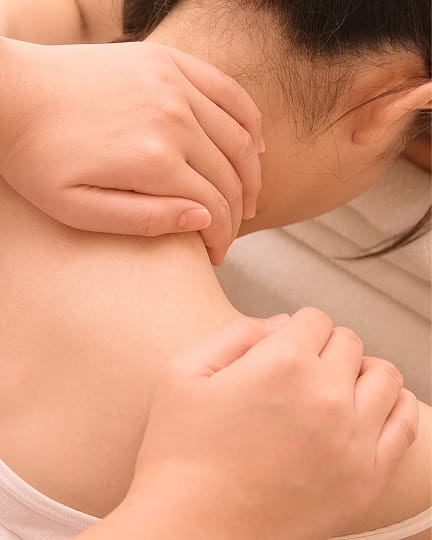
TCM meridian massage focuses on stimulating key meridian pathways and acupressure points to support the body’s natural balance. Rooted in Traditional Chinese Medicine principles, the treatment aims to encourage the smooth flow of Qi and blood, helping the body maintain harmony between its internal systems.
In Traditional Chinese Medicine, Qi is the body’s vital energy that flows through meridian pathways. When this flow becomes blocked or imbalanced, it may lead to discomfort or fatigue. Meridian massage helps stimulate these pathways to support smoother Qi circulation and restore energetic balance.
Muscle tightness often develops due to prolonged sitting, repetitive movements, or physical strain. By applying targeted pressure along meridian lines and acupoints, the massage helps release tension in surrounding tissues while encouraging relaxation throughout the body.
Stimulating meridian pathways may encourage better circulation of blood and Qi. Improved circulation helps deliver oxygen and nutrients to tissues more efficiently, which can contribute to a sense of lightness and improved physical comfort.
Meridian massage may support relaxation and reduce the effects of physical and mental fatigue. Research suggests that meridian massage may help reduce stress, improve circulation, and support recovery, making it a treatment many people turn to when seeking both relaxation and overall wellness support.
TCM treatments often focus on maintaining harmony between the body’s organs, energy systems, and environment. Meridian massage reflects this philosophy by addressing imbalances in Qi flow while supporting the body’s ability to regulate itself naturally.
Tension along meridian pathways can sometimes contribute to stiffness or reduced movement. By stimulating these pathways and relaxing surrounding muscles, meridian massage may help improve flexibility and support smoother, more comfortable movement in daily activities.


A restorative treatment inspired by Traditional Chinese Medicine, designed to stimulate the body’s energy pathways to restore balance, vitality, and well-being. Combined with therapeutic eucalyptus oil, this massage enhances circulation, unblocks stagnant energy, and eases muscle fatigue—leaving the body both invigorated and deeply relaxed.
Expected Results:
Expected Results:
Expected Results:
Our TCM meridian massage combines traditional therapeutic principles with carefully selected treatment elements to create a holistic and restorative experience. Each session focuses on stimulating key meridian pathways while supporting relaxation and overall balance in the body.
Handcrafted copper tools are used to complement the massage techniques by helping therapists apply controlled pressure along meridian pathways and acupressure points. Copper has long been valued in traditional practices, and the tools allow for more precise stimulation of targeted areas while supporting smoother energy flow.
The massage incorporates a specially formulated herbal oil developed according to Traditional Chinese Medicine principles. This TCM-powered blend helps enhance the massage experience by supporting relaxation, nourishing the skin, and complementing the stimulation of meridian pathways during the treatment.
The effectiveness of meridian massage relies heavily on the practitioner’s understanding of meridian pathways and acupressure points. Our experienced therapist applies specialised techniques to stimulate key channels of the body, helping encourage the smooth flow of Qi while addressing areas of tension or imbalance.
Every wellness journey with us begins with understanding—of your body, your rhythm, and the balance it seeks. Our therapists take the time to listen and assess, tailoring each treatment to release tension, restore energy flow, and realign both body and mind.
At Privilège Boutique, wellness is more than relaxation; it is a return to harmony. Within our serene, spa-like sanctuary, expert touch and intentional care come together to soothe the senses, quiet the mind, and awaken the body’s natural vitality. Each session becomes a gentle return to balance—a retreat where healing, calm, and wholeness meet.
A TCM meridian massage focuses on restoring the flow of Qi through the body’s meridian pathways based on Traditional Chinese Medicine principles. The therapist applies techniques such as pressing, kneading, and rolling along specific meridians and acupressure points to help regulate energy flow and support the connection between organs and body systems. The goal is to restore balance within the body and address areas where Qi may be stagnant or blocked.
In contrast, a detox lymphatic system massage primarily targets the lymphatic system, which is responsible for moving lymph fluid that carries waste, toxins, and excess fluids away from tissues. This technique uses very light, rhythmic movements to stimulate lymph vessels and encourage fluid drainage toward lymph nodes. While both treatments promote circulation and relaxation, meridian massage emphasises energy balance in TCM, whereas lymphatic massage focuses on supporting the body’s fluid drainage and detoxification processes.
By working along the body’s meridians, meridian massage helps relieve areas of stagnation that may contribute to discomfort or poor circulation. This approach supports smoother flow and overall physical balance.
Pressure levels may vary depending on individual needs. Some areas may feel tender where stagnation is present, but sessions are typically adjusted to maintain comfort while still being effective.
Before a meridian massage, it is generally recommended to eat lightly and avoid heavy meals so the body can remain comfortable during the session. Staying hydrated helps support circulation and allows the body to respond more effectively to the stimulation of meridian pathways. Wearing loose, comfortable clothing also makes it easier for the therapist to access different areas of the body during the treatment.
It is also helpful to communicate any areas of discomfort, tension, or specific concerns with the therapist before the session begins. Sharing your needs allows the therapist to adjust the pressure and techniques used during the massage, ensuring the treatment is both comfortable and suited to your condition.
In Traditional Chinese Medicine, the 12 meridians are energy pathways that run throughout the body, connecting specific organs with different regions of the limbs, torso, and head. These meridians include the lung, large intestine, stomach, spleen, heart, small intestine, bladder, kidney, pericardium, triple burner (san jiao), gallbladder, and liver meridians. Each pathway travels along particular routes across the arms, legs, chest, back, or abdomen, forming a network that allows Qi and blood to circulate and support the coordination of organs and body systems.
The recommended frequency for TCM meridian massage depends on individual needs, lifestyle, and wellness goals. Some people may benefit from sessions once every one to two weeks when addressing persistent tension or fatigue, while others may choose monthly treatments for general wellness and balance. A therapist can recommend a suitable schedule based on your body’s condition and response to the massage.